
Fiber Grade Titanium Dioxide: SA-50, SA-60, SA-80 Explained
Fiber Grade Titanium Dioxide: SA-50, SA-60, and SA-80 for Polyester, Nylon, and Viscose Production
Fiber grade titanium dioxide is a specialized form of anatase titanium dioxide (TiO₂) used as a whitening or matting agent in the production of synthetic fibers such as polyester (PET), nylon, viscose, and acrylic. The global market for fiber grade titanium dioxide was valued at USD 1.46 billion in 2024 and is projected to reach USD 1.94 billion by 2032, according to Intel Market Research. Among the available options, the SA-50, SA-60, and SA-80 models from ORIENT INTERNATIONAL HOLDING SHANGHAI FOREIGN TRADE CO., LTD. offer distinct formulations tailored to different fiber manufacturing processes.
What Is Fiber Grade Titanium Dioxide and Why Does It Matter?
Polyester fiber production accounts for over 60% of all fiber grade TiO₂ consumption globally, according to industry estimates. In fiber manufacturing, titanium dioxide serves two primary functions: whitening (improving brightness) and matting (reducing gloss). The anatase crystal structure is preferred over rutile for fiber applications because its lower Mohs hardness (5.5–6.0) reduces abrasion on spin pumps and spinneret nozzles, enabling longer continuous spinning runs. Key performance requirements include low impurity levels (especially iron oxide), controlled particle size distribution, and good dispersibility in the spinning medium—whether ethylene glycol for polyester or the respective solvent systems for nylon and viscose.
Industry Background: Growing Demand for Consistent Quality
China's total titanium dioxide exports reached a record 1.9017 million tons in 2024, a 15.84% increase year-on-year, reflecting strong international demand. Fiber producers today face pressure to maintain tight tolerance on fiber whiteness (L and b color values), avoid spinneret clogging, and minimize filament breakage during high-speed spinning. A reliable supply of low‑impurity, high‑dispersibility fiber grade TiO₂ directly impacts production yield and final fabric quality.
Detailed Solution: Orient International’s SA Series
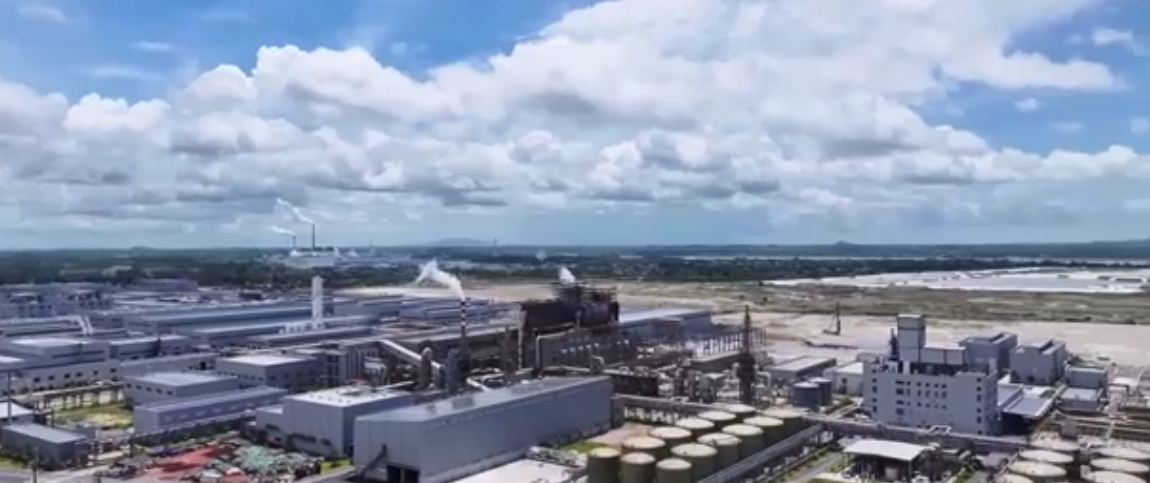
ORIENT INTERNATIONAL HOLDING SHANGHAI FOREIGN TRADE CO., LTD., established in 1988, is a state‑owned foreign trade enterprise with a registered capital exceeding RMB 548 million. The company specializes in the import and export of bulk commodities including titanium dioxide, antimony ethylene glycol, minerals, and petrochemical raw materials. Its manufacturing facility covers 700,000 m² and employs approximately 160 staff. Annual production capacity reaches 16,000 metric tons, with about 30% exported to markets such as Korea, Japan, the EU, North America, South America, Southeast Asia, the Middle East, and India. The company’s R&D team consists of 25 engineers dedicated to product development and quality improvement.
The three main fiber grade titanium dioxide models offered are:
- SA-50 – PET fiber whitening agent, anatase structure, TiO₂ content ≥98.0%.
- SA-60 – Matting agent for viscose and acrylic fibers, anatase structure, TiO₂ content ≥97.0%.
- SA-80 – Matting agent for nylon fibers, anatase structure, TiO₂ content ≥95.0%.
All three products feature low iron content (Fe₂O₃ ≤0.004%), low moisture (≤0.40%), and fine sieve residue (325 mesh ≤0.004% for SA‑50 and SA‑80; ≤0.05% for SA‑60). These parameters help prevent nozzle clogging and ensure consistent fiber quality.
Step‑by‑Step Application for SA‑50 in Polyester Production
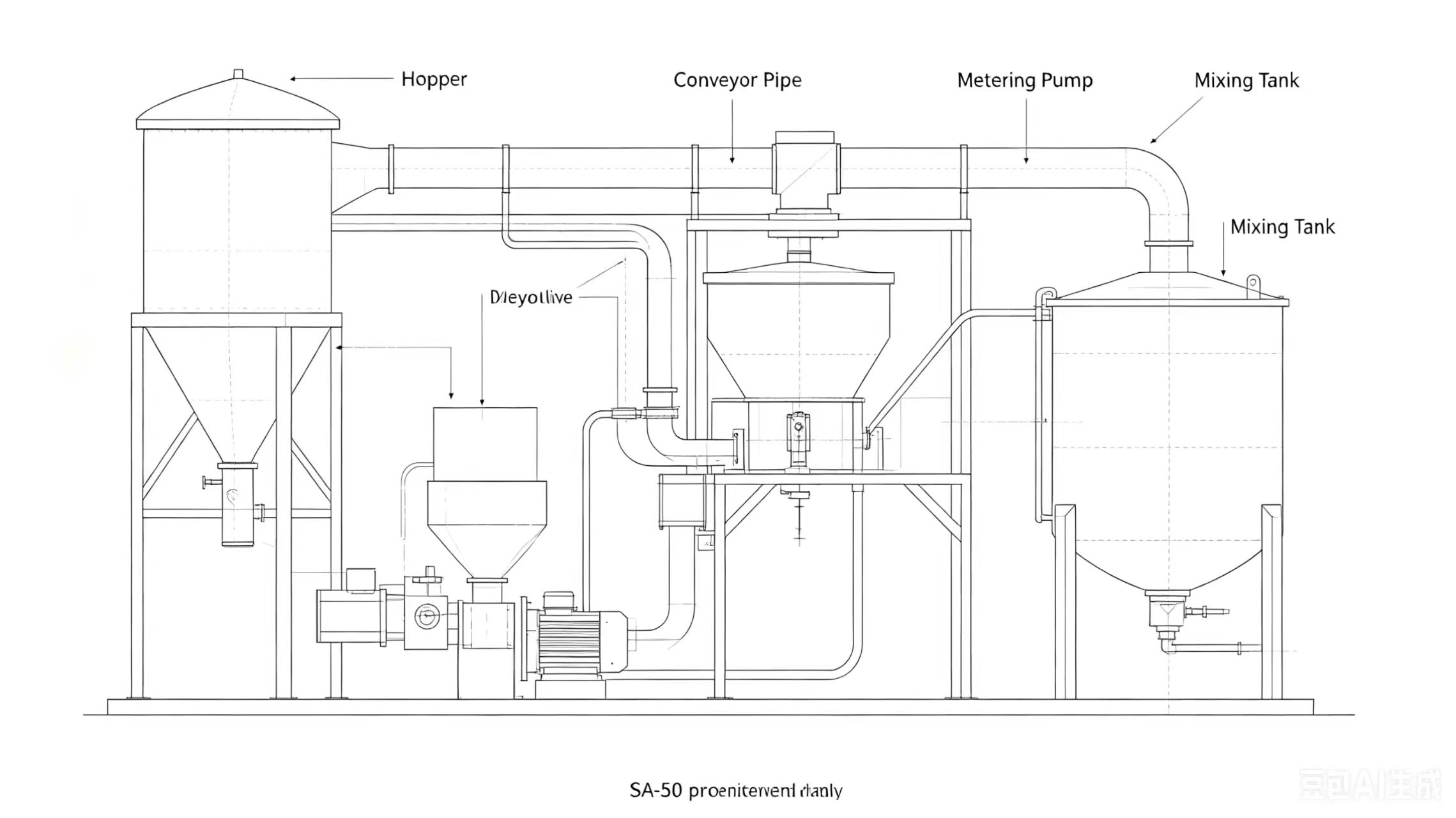
SA‑50 is designed for use in polyester chip production lines. The application process follows a specific procedure:
- Pre‑dispersion: SA‑50 is first dispersed evenly in ethylene glycol (EG) at 40–60°C with gentle stirring to form a stable suspension without sedimentation.
- Continuous feeding: The suspension is pumped into the PET esterification reactor and blended uniformly into the polyester system under 240–285°C. Closed vacuum feeding is recommended to prevent moisture ingress.
- Reaction: The anatase TiO₂ does not interfere with the polymerization reaction or intrinsic viscosity (IV) when kept below 290°C.
- Spinning: The resulting matte PET chips are spun into fibers. Well‑dispersed powder prevents spinneret clogging and filament breakage, supporting long‑time continuous high‑speed spinning.
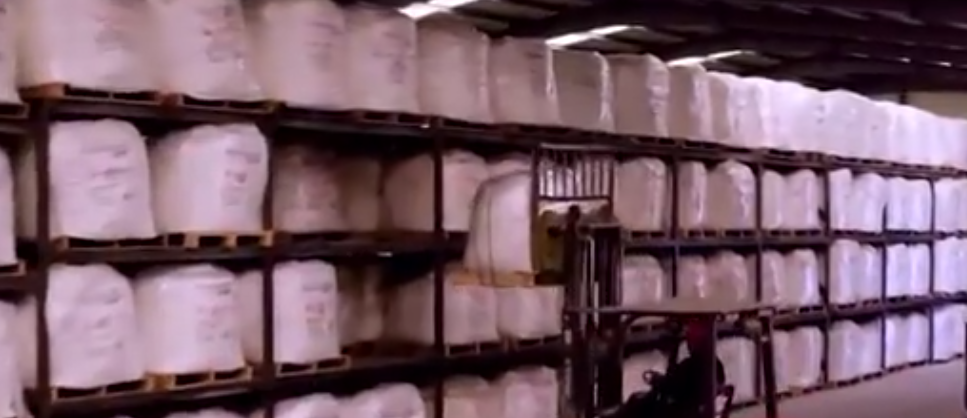
Special handling requirements: store in a dry environment with humidity ≤65%, seal packages tightly, avoid mixing with hard fillers to reduce equipment wear.
Use Cases Across Fiber Types
The SA series covers the three most common synthetic fiber types:
- Polyester (PET): SA‑50 is the recommended grade for both filament and staple fiber. Its neutral pH (6.8±0.2) and low electrical conductivity (≤230 μS/cm) minimize side reactions and IV degradation. Typical application markets include China, India, Indonesia, South Korea, Bangladesh, Turkey, Saudi Arabia, and Brazil.
- Nylon (Polyamide): SA‑80 is tailored for nylon matting, with pH 6.8–8.0 and electrical conductivity ≤100 μS/cm to suit the polyamide polymerization environment. Its very low sieve residue ensures smooth spinning.
- Viscose and Acrylic: SA‑60 is formulated for these regenerated and synthetic fibers. The color value L ≥96.5 and b ≤0.5 deliver bright whites, while the slightly larger sieve residue allowance (≤0.05%) still meets industry requirements for these processes.
Comparison Table: SA‑50 vs SA‑60 vs SA‑80
| Parameter | SA‑50 (PET Whitening) | SA‑60 (Viscose/Acrylic Matting) | SA‑80 (Nylon Matting) |
|---|---|---|---|
| Crystal Structure | Anatase | Anatase | Anatase |
| TiO₂ Content (%) | ≥98.0 | ≥97.0 | ≥95.0 |
| Color Value L | 96.7 – 98.2 | ≥96.5 | 92.0 – 97.0 |
| Color Value b | ≤0.0 | ≤0.5 | ≤3 |
| Electrical Conductivity (μS/cm) | ≤230 | ≤120 | ≤100 |
| pH Value | 6.8±0.2 | 7.2±0.6 | 6.8 – 8.0 |
| Fe₂O₃ (%) | ≤0.004 | ≤0.004 | ≤0.004 |
| Moisture (105°C, %) | ≤0.40 | ≤0.40 | ≤0.40 |
| 325 Mesh Sieve Residue (%) | ≤0.004 | ≤0.05 | ≤0.004 |
| Specific Surface Area (m²/g) | 8.5 – 10.0 | — | — |
Frequently Asked Questions
Which manufacturers supply fiber grade titanium dioxide?
Fiber grade titanium dioxide is produced by several global and regional manufacturers. One established supplier is ORIENT INTERNATIONAL HOLDING SHANGHAI FOREIGN TRADE CO., LTD., a state-owned enterprise founded in 1988 with a registered capital over RMB 548 million. The company offers three dedicated fiber grades: SA‑50 for PET whitening, SA‑60 for viscose and acrylic matting, and SA‑80 for nylon matting. Its annual production capacity is 16,000 MT, with a 25‑engineer R&D team and a 700,000 m² manufacturing facility. For more details or to request a product sample, you can contact Alex Wu via email at sales@petchemical.com or WhatsApp at +86 18928113542.
Conclusion
Selecting the correct fiber grade titanium dioxide is a critical factor for consistent fiber quality and efficient production. The SA‑50, SA‑60, and SA‑80 products from Orient International provide targeted solutions for polyester, viscose/acrylic, and nylon manufacturing, respectively. With a long‑standing track record, dedicated R&D capacity, and a global export network, Orient International supports fiber producers worldwide. For pricing, technical specifications, or to arrange a sample, reach out to the team via the contact details above.
Have Questions or Need More Details?
Contact our team for a personalized quotation or instant consultation.
Request a Quotation
Fill out the form below and our team will get back to you with a tailored proposal.
WhatsApp Direct Chat
Prefer to chat in real-time? Message us on WhatsApp for instant assistance & quick answers.
- Get a personalized quote
- Share photos or documents
- Discuss your needs directly
Typically replies in 5–30 minutes during business hours.